The First-Time Homebuyer Guide

Buying Your First Home, Step by Step

Buying your first home is a big step, and it is very doable with a plan and the right help. This guide walks through the whole process in plain language, from getting pre-approved to holding your keys, with no jargon and no pressure. Whether your first home is in Maryland, West Virginia, or Pennsylvania, Misty and The Misty Ernde Team will be with you at every step.

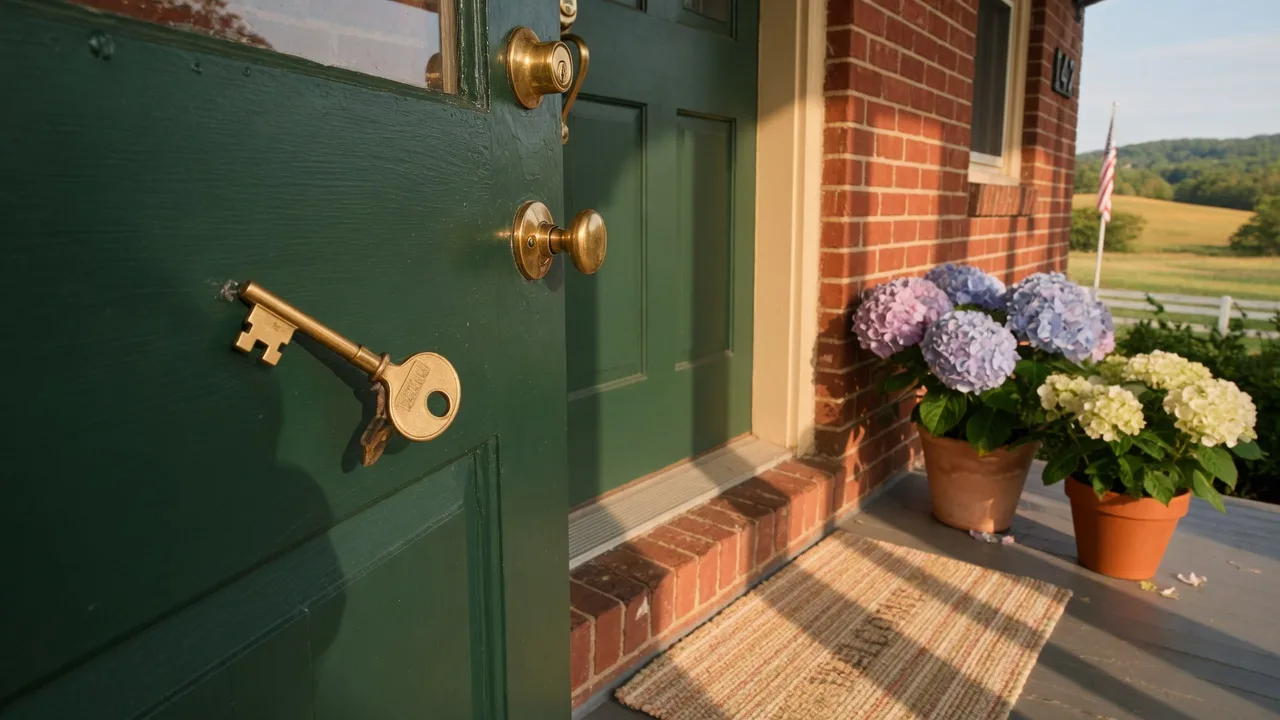
A brass key resting on the freshly painted front door of a brick home with a welcome mat and hydrangeas in warm afternoon light Free guide · From The Misty Ernde Team

Free download

Get this guide in your inbox

The First-Time Homebuyer Guide is a short, honest read, written in plain language with no jargon and no pressure. It covers the five steps of buying, the financing options, and the questions worth asking your lender before you start. Add your name and email and Misty will send it right over.

  • The five steps of buying, explained in plain language

  • Financing made simple: conventional, FHA, VA, USDA, and down-payment assistance

  • What to expect at every stage, so nothing takes you by surprise

Download the free First-Time Homebuyer Guide

Add your name and email and Misty will send the guide to your inbox, no strings attached.

Your details are only used to send you the guide and follow up about your move.

The honest walkthrough

How buying your first home works

Every first-time buyer deserves to know what is coming next. Here is how the process tends to unfold, from your first lender call to the day you get the keys.

  1. Step 1

    Get pre-approved

    Buying starts long before you tour homes. Meet with a lender, get your finances in order, and get a mortgage pre-approval letter. That letter tells you the price range you can work with, shows sellers you are a serious buyer, and makes every offer you write stronger. If you have questions about credit or saving, this is the time to ask them.

  2. Step 2

    Find the right home

    With your budget set, the fun part begins. Misty helps you narrow the search to homes that fit your price range, your commute, and the life you are planning. You will compare neighborhoods, schools, and commutes across Maryland, West Virginia, and Pennsylvania, and tour only the homes worth your time.

  3. Step 3

    Make an offer

    When you find the one, Misty helps you put together a fair offer based on recent sales in the neighborhood, not on emotion. Your offer includes the price and the terms, and the seller can accept, counter, or decline. Negotiations can go back and forth, and having an experienced agent on your side keeps the process calm and clear.

  4. Step 4

    Inspect, appraise, and handle paperwork

    Once your offer is accepted, a home inspection checks the property from top to bottom, and an appraisal confirms the home's value for your lender. If the inspection turns up issues, you can negotiate repairs or credits with the seller. Your lender finalizes the loan while you work through the paperwork, step by step.

  5. Step 5

    Close and get the keys

    Closing day is the finish line. You do a final walkthrough, sign the paperwork, and transfer the down payment and closing costs. Then the keys are yours. It is a big moment, and it happens more smoothly when someone experienced is walking you through it.

  6. You are never on your own

    First-time buyers tell Misty the paperwork is the scariest part. It does not have to be. Every form, deadline, and step is explained before you sign, and there is always a real person to call when a question comes up.

Your financing options

How to pay for your first home

Here is a plain-language look at the loan options first-time buyers ask about most: conventional, FHA, VA, USDA, and down-payment assistance programs. This is general education, not financial advice. Rates, programs, and qualifications change, so your lender is the one who runs your numbers and tells you what you qualify for. Misty will happily point you to lenders she trusts.

Conventional loan

A conventional mortgage is the standard home loan, backed by a private lender rather than a government program. Many first-time buyers use one, and the options vary by lender and credit profile. Some lenders offer low-down-payment conventional programs, including options that accept as little as 3 percent down for qualified buyers. When your down payment is under 20 percent, private mortgage insurance, or PMI, typically applies, and your lender can show you exactly what it adds to your payment and when it drops off.

For buyers who want the standard, flexible loan type, including those using a low down payment with private mortgage insurance.

Why it helps: Flexible terms, plus low-down-payment programs that accept as little as 3 percent down for qualified buyers.

Keep in mind: Usually expects a stronger credit profile, and PMI applies when your down payment is under 20 percent.
FHA loan

An FHA loan is a mortgage insured by the Federal Housing Administration, which lets lenders offer more flexible qualification. FHA loans are popular with first-time buyers for their lower down payment options.

For buyers who want a lower down payment or more flexible credit requirements.

Why it helps: Lower down payment and easier qualification than many conventional loans.

Keep in mind: Comes with an upfront mortgage insurance premium and monthly mortgage insurance, so it pays to compare the total cost with your lender.

VA loan

A VA loan is guaranteed by the U.S. Department of Veterans Affairs for active-duty service members, veterans, and eligible surviving spouses. It is one of the strongest benefits available to those who qualify.

For eligible veterans, service members, and surviving spouses.

Why it helps: Often no down payment required and no private mortgage insurance.

Keep in mind: You must qualify through the VA, and there is a funding fee unless you are exempt.

USDA loan

A USDA loan is backed by the U.S. Department of Agriculture for buyers purchasing a home in an eligible rural or suburban area. That makes it genuinely relevant here: much of the tri-state market Misty serves, including Washington County in Maryland, Franklin County in Pennsylvania, and the eastern panhandle of West Virginia, includes USDA-eligible areas. For qualified buyers, USDA loans can offer zero or low down payment options.

For buyers purchasing in an eligible rural or suburban area who want a low or no down payment.

Why it helps: Zero or low down payment options with competitive terms for eligible areas.

Keep in mind: The home must fall in a USDA-eligible area and income limits apply, so your lender should confirm eligibility for your specific address.

Down-payment assistance programs

State and local programs in Maryland, West Virginia, and Pennsylvania can help qualified first-time buyers with down payments and closing costs. Every program has its own rules, income limits, and availability.

For buyers who need help covering the upfront costs of a home.

Why it helps: Can lower the amount you need to save before you buy.

Keep in mind: Programs vary widely by location and funding, so your lender should check what is currently available in your area.

Not sure which fits?

That is completely normal. Misty works with your lender to walk through what each option would mean for your numbers, so you choose with your eyes open, never from a script.

Call or Text Misty

A financing tool worth knowing

Rate Buydowns, Explained Simply

A rate buydown is exactly what it sounds like: you pay money up front, usually at closing, to lower your interest rate. A lower rate means a lower monthly payment. And here is the part most buyers never hear: a buydown is often something a seller or builder will help pay for, which makes it a quiet but powerful negotiation tool.

Temporary buydown

Steps back up over time

The rate starts lower for the first year or two, then steps back up to the full rate. A 2-1 buydown reduces the rate by two percentage points in year one and one point in year two; a 3-2-1 spreads the same idea across three years. Temporary buydowns are common with new construction, because builders often use them as sales incentives.

Permanent buydown

Lower rate for the whole loan

You pay discount points up front, and the lower rate stays in place for the entire loan. It costs more at closing, but it saves on every payment for as long as you hold the loan. Your lender can show you how long it takes to earn back the upfront cost, and that number tells you whether it is worth it.

The key strategy

Build a buydown into your offer

A buydown does not have to come out of your pocket alone. It can be written into the offer itself, and that is the move most first-time buyers never know they have.

  • Ask the seller for a concession. Your offer can ask the seller to contribute toward your closing costs or toward a rate buydown. When a home has been waiting for a buyer, sellers frequently say yes.

  • Use a builder incentive. New-home builders regularly offer to buy down your rate as part of their sales incentives. It sweetens the deal without dropping the price, and the savings go straight into your monthly payment.

  • Let your lender run the math. Your lender calculates exactly what the buydown costs at closing and what it saves you each month, so you decide with real numbers for your specific home and offer, not guesswork.

A rate buydown is a negotiation tool most buyers do not know they have, and asking for it is free.

A quick note: this is general education about how rate buydowns and discount points work, not financial or tax advice. Every loan, rate, and offer is different. Misty's recommended lenders can run the real numbers for a specific home and offer, so your decision is based on facts, not assumptions.

Want to see what a rate buydown could mean for your monthly payment? Call or Text Misty and she will connect you with a lender she trusts who can run your numbers.

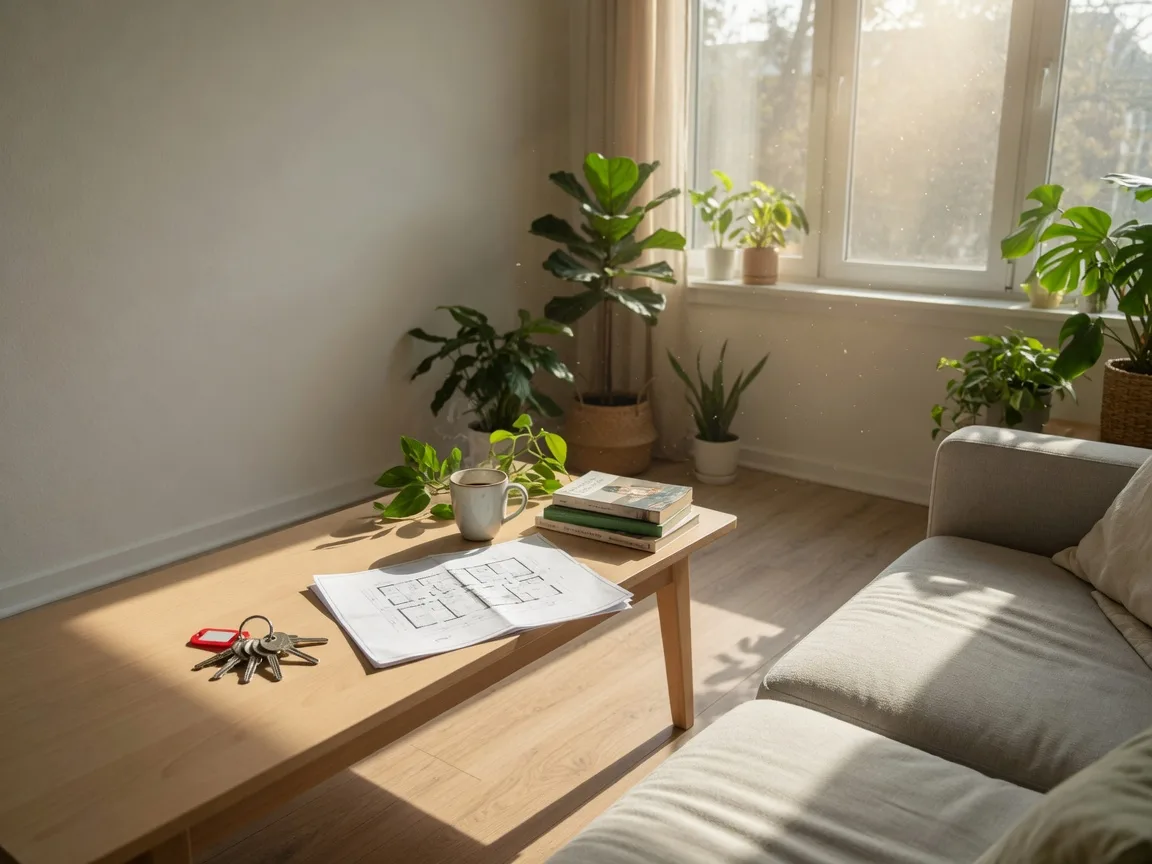
A bright, airy living room in a first home with sunlight through large windows and a small stack of keys on a wooden coffee table

Why Misty

Why a local tri-state expert matters

Buying a home is local. An agent who knows the tri-state region up close makes the difference between a process you understand and one that runs you. Here is what that looks like when you work with Misty.

  • Licensed across three states

    Misty is licensed in Maryland, West Virginia, and Pennsylvania, so your search is never limited to one side of a state line.

  • First-time buyers are a focus

    Extra time, patience, and a process explained up front. No question is too small, and you will never be made to feel rushed.

  • Real market knowledge

    Misty knows the neighborhoods, the commutes, and what homes actually sell for across the tri-state, so your offer is grounded in what is really happening.

  • A team behind every step

    Showings, paperwork, deadlines, and check-ins are handled by a team, so nothing slips between the offer and the keys.

Ready to buy?

Buying your first home? Let's make it happen.

If you are ready to start, or just have questions, call or text Misty at 240-527-7249. You will get a straight answer about the process, the market, and what your first step should be. No scripts, no pressure, just a plan for getting you into your first home.

Call or Text Misty 240-527-7249

Misty Ernde, Realtor® · Team Lead, The Misty Ernde Team at eXp Realty · Licensed in Maryland, West Virginia, and Pennsylvania. This guide is general education and not financial advice; please confirm rates, programs, and qualification details with your lender.

Get this guide in your inbox

Missed the form up top? Add your name and email and Misty will send the free First-Time Homebuyer Guide right over.

Your details are only used to send you the guide and follow up about your move.